THC vs CBD Explained A Manhattan Guide
Nolita moves at a different speed than the rest of downtown, and the Elizabeth Street Garden is why. Some products are built for that pace. Here is what separates THC from CBD, and how the ratio changes everything.
The Short Answer
THC is the one that gets you high. CBD is not. Both come from the same plant and both are on New York labels, usually together.
The ratio is the real control. A high-CBD, low-THC product behaves nothing like the reverse, even at the same total milligrams. Read the ratio before you read anything else.
Nolita is a handful of blocks that somehow kept their pace while everything around them sped up, and the Elizabeth Street Garden is the reason, a sculpture garden dropped in the middle of the density. Cannabis has its own version of that contrast, and it is the difference between THC and CBD. Same plant, same label, wildly different intent. If you only learn one distinction before you shop in Manhattan, make it this one.
The One-Line Difference
THC is intoxicating. CBD is not. That is the whole headline, and everything else is detail.
Both are cannabinoids, both are made by the same plant in the same resin, and their chemical formulas are actually identical. The atoms are just arranged differently, and that small structural difference is why one binds readily to receptors in your brain and produces a high, and the other does not.
What Each One Does
| THC | CBD | |
|---|---|---|
| Intoxicating? | Yes | No |
| What people reach for it for | The high, the experience | The plant without the high |
| Can it feel like too much? | Yes, if you overdo it | Not in the same way |
| On a New York label | Listed in mg and total THC % | Listed in mg and CBD % |
| Shows on a drug test? | Yes | Possibly, see below |
That last row deserves a flag. Standard drug tests look for THC, not CBD. But most CBD products are not CBD alone, and full-spectrum products legally contain small amounts of THC. If a test matters to you, that detail matters a lot.
The Ratio Is the Real Control
Here is where it becomes practical. Products are labeled with a THC:CBD ratio, and that ratio, not the milligram total, determines what the thing does.
Roughly how intoxicating each ratio class is. Two products with the same total milligrams can sit anywhere on this scale.
How to read the shorthand:
- THC dominant. Mostly or entirely THC. This is the majority of the menu, and it does what you expect.
- 1:1 balanced. Equal parts. Many people find the CBD takes the edge off the THC, producing something noticeably gentler than THC alone at the same dose.
- CBD dominant. Ratios like 20:1 CBD to THC. Very little intoxication, and a popular entry point for people who want the plant without the high.
- CBD only. No meaningful THC at all.
Does CBD Really Blunt THC?
This is the most common claim in any Manhattan dispensary, so let us be careful with it. Plenty of people report that a 1:1 product feels less intense and less anxious than a THC-only product at the same dose, and that experience is widespread enough to take seriously. The mechanism is an area of ongoing research rather than settled fact.
What is fair to say is that if THC alone has ever felt like too much for you, a balanced ratio is a reasonable next thing to try, and it is a lot cheaper than deciding cannabis is not for you. Start low regardless, which is the same advice we give in our edibles dosing guide.
This is general information for Manhattan shoppers, not medical advice. CBD and THC research is ongoing and neither is a treatment for any condition. Cannabis affects everyone differently. Read your labels and follow New York State law.
The Acid Forms, Briefly
On a lab report you will see THCA and CBDA alongside THC and CBD. Raw cannabis produces the acid forms, and heat converts them into the active ones. That is why a COA lists both and calculates a total. It is the same relationship on both sides of the ledger, and our THCA vs THC guide takes it apart in full, while how to read a COA shows you where that lives on the report.
Where You Meet Each One
The two cannabinoids show up in different corners of the menu, and knowing where saves you a lot of wandering.
THC dominates nearly everything. Flower, pre-rolls, vapes, concentrates, most edibles. If you pick something at random off a New York menu, it is almost certainly THC dominant, because that is what most people are shopping for.
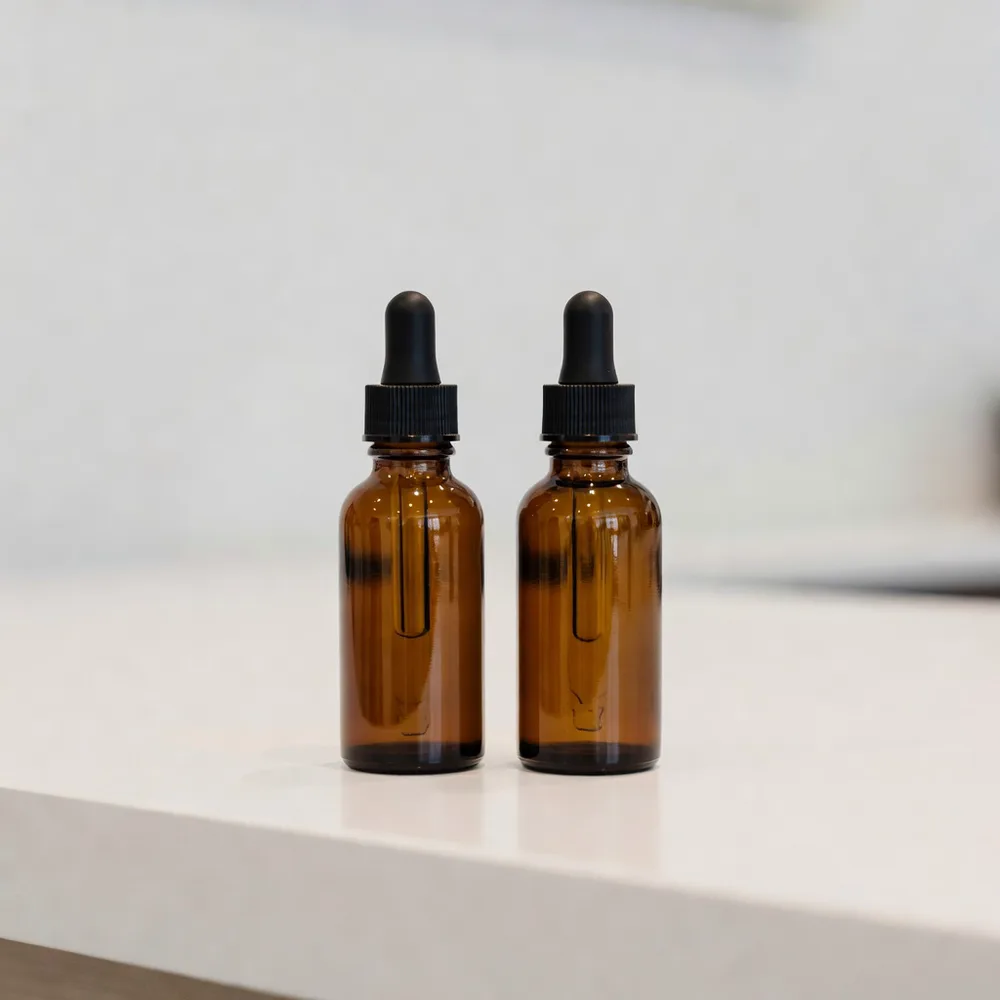
CBD is more concentrated in specific formats. Tinctures are where ratios are easiest to find and easiest to control, since you can measure a dropper precisely rather than committing to whatever a gummy was made at. Topicals lean heavily CBD. Some edibles come in balanced ratios, and a handful of flower strains are bred to be CBD forward, though they are the exception rather than the rule.
The Full-Spectrum Distinction
One more label term worth having, because it explains why two CBD products can behave differently.
Full spectrum means the product keeps the whole range of compounds the plant made, including terpenes and trace THC. Broad spectrum keeps the range but removes the THC. Isolate is CBD alone, stripped of everything else.
The trace THC in a full-spectrum product is legally small and not enough to intoxicate anyone, but it is the reason a full-spectrum CBD product can register on a drug test while an isolate will not. It is also why full-spectrum products taste like the plant and isolates taste like nothing, which loops back to terpenes doing the heavy lifting again.
Why the Ratio Beats the Milligrams
If you take one habit from this guide, make it this: read the ratio before you read the total. A 10mg product and a 100mg product sound like a tenfold difference, and if the first is THC dominant and the second is 20:1 CBD, the small one is by far the more intoxicating purchase. The big number on the front of the box is the least informative thing on it.
That is the same reasoning behind not shopping flower by THC percentage alone. In both cases the headline number flatters itself and the useful information is one line down.
Which One Is for You?
An honest, non-medical way to think about it:
- You want the classic cannabis experience. THC dominant. That is most of the menu.
- THC has felt like too much before. Try a 1:1 balanced product at a low dose.
- You want the plant with no high at all. CBD dominant or CBD only.
- You are brand new to this. Start low whatever you pick, and read our first-time buyer guide.
- A drug test matters. Be aware that full-spectrum CBD contains trace THC.
Ratios show up across the menu, but tinctures are where they are easiest to control, since you can measure precisely. Edibles carry them too. Come talk ratios at 862 9th Ave in Hell's Kitchen, or get it delivered free anywhere in Manhattan, including Gramercy a short run north of Nolita.
Ask About Ratios in Hell's Kitchen
Ratios are the part worth asking a human about, because the right one depends entirely on what you want out of it. Come to Cannadreams at 862 9th Ave in Hell's Kitchen, blocks from Times Square, or shop online for free same-day delivery across Manhattan.
- 862 9th Ave, New York, NY 10019 (Hell's Kitchen, Manhattan)
- (646) 398-8276
- Mon-Wed 10am-12am • Thu-Fri 10am-1am • Sat 11am-1am • Sun 11am-11pm
- NY Office of Cannabis Management • License #OCMCAURD-2022-000407
Best-Selling Products
Our most-loved cannabis products in Manhattan right now, updated live from our menu. Order for same-day pickup or delivery from our Hell's Kitchen dispensary at 862 9th Ave near Times Square.
New Arrivals
Fresh drops on the Cannadreams menu. The newest flower, edibles, vapes, and more, added as they land in stock.
Shop by Category
From top-shelf flower to infused pre-rolls, vapes, edibles, concentrates, and drinks. Every category, live from the Cannadreams menu.
Deals
Best SellersConcentrates
Best SellersTinctures
Best SellersTopicals
Best SellersBeverages
Best SellersTHC and CBD, Answered
Shop THC and CBD in Manhattan
Balanced, high-THC, and high-CBD products, all lab tested and labeled. Shop Cannadreams at 862 9th Ave or get free same-day delivery across Manhattan.
Shop Tinctures